How Do Microphones Work: The Science Behind Sound Capture
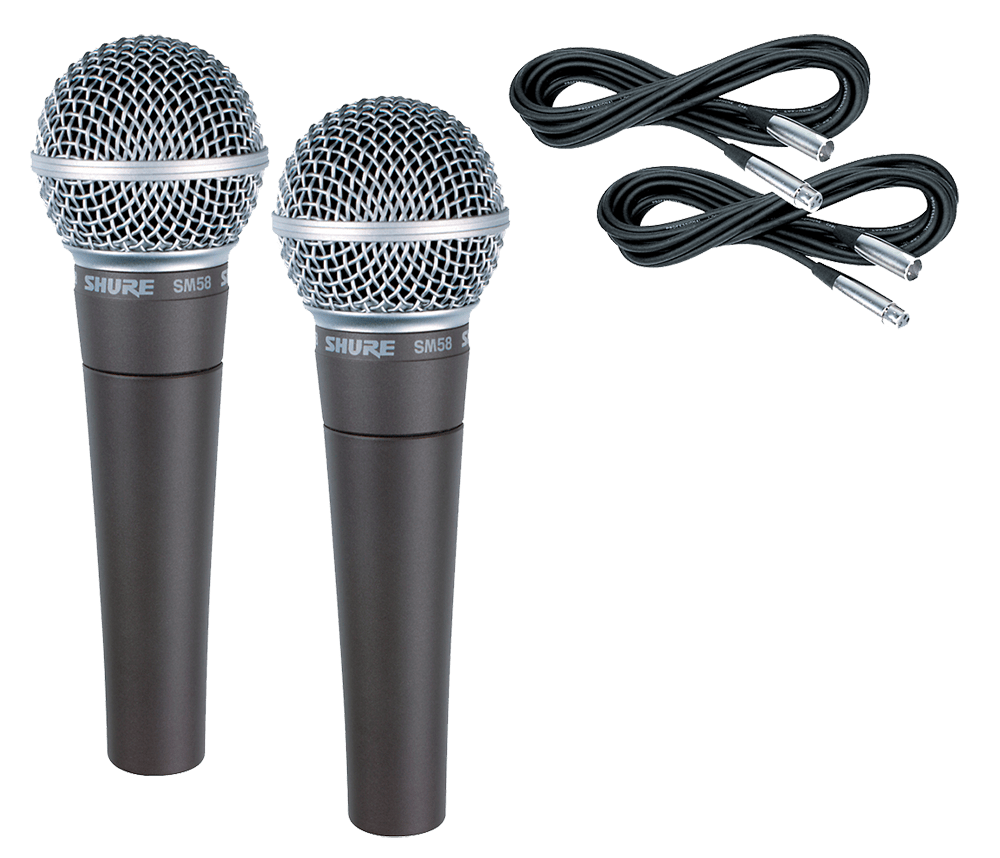
A microphone is an extraordinary device that converts sound waves into electrical signals, allowing us to capture and record audio. The basic operation of a microphone is rooted in the principle of transduction, where a physical phenomenon is transformed into a measurable signal. At its core, microphones consist of a diaphragm that vibrates in response to incoming sound waves. This diaphragm can be found in various types of microphones, including dynamic, condenser, and ribbon models, each using different mechanisms to achieve sound capture. For instance, in a dynamic microphone, the diaphragm moves a coil of wire within a magnetic field, generating an electric current that mirrors the original sound wave.
The science behind how these devices function involves several components that work together seamlessly. When sound waves strike the diaphragm, they create vibrations that correspond to the frequency and amplitude of the sound. The resulting electrical signal is then amplified, processed, and converted into a range of formats for various applications, from musical recordings to voice communications. Understanding the intricacies of how microphones work not only enhances our appreciation of their role in audio technology but also informs us about the advances in sound engineering and recording techniques that continue to evolve today.
Counter-Strike is a popular first-person shooter game that has captivated millions of players around the world. With its competitive gameplay and strategic team-based mechanics, it has become a staple in the esports community. For content creators looking to showcase their gameplay, investing in the right equipment can make a difference; check out the Top 10 Mobile Vlogging Accessories to enhance your streaming setup.
The Evolution of Microphones: From Carbon Buttons to Digital Wonders
The history of microphones begins in the late 19th century, with the invention of the carbon button microphone. This early device revolutionized sound transmission, converting sound waves into electrical signals through the vibration of carbon granules. Its simplistic, yet effective design paved the way for future innovations, making it a staple in early telecommunication and audio recording technologies. As technology advanced, the carbon button was succeeded by the more efficient dynamite and condenser microphones, which offered improved sound fidelity and wider frequency response. These breakthroughs allowed musicians and speakers to capture sound in unprecedented detail, setting the stage for the sound systems we enjoy today.
With the dawn of the digital age in the late 20th century, microphones underwent a dramatic transformation. The introduction of digital microphones, which utilize advanced signal processing and digital audio conversion, marked a significant shift in the way sound is recorded and produced. These modern devices not only enhance sound quality but also offer features like noise cancellation and wireless connectivity, making them essential tools in music production, broadcasting, and live performances. As we continue to explore new technologies, the evolution of microphones exemplifies the incredible potential of innovation in enhancing our auditory experiences.
Choosing the Right Microphone: What You Need to Know
Choosing the right microphone is crucial for achieving superior sound quality, whether you're recording a podcast, making music, or conducting interviews. With a plethora of options available, it's essential to consider factors such as microphone type, pickup pattern, and intended use. Popular types include dynamic microphones, which are great for live performances, and condenser microphones, which are ideal for studio recording due to their sensitivity and greater frequency response.
Before making a decision, evaluate your budget and the features that matter most to you. Create a list of your requirements, such as mobility, connectivity options, and compatibility with your recording equipment. Additionally, research reviews and comparisons to identify the best choices in your price range. Remember, investing in a high-quality microphone can significantly enhance the overall production value of your audio projects.