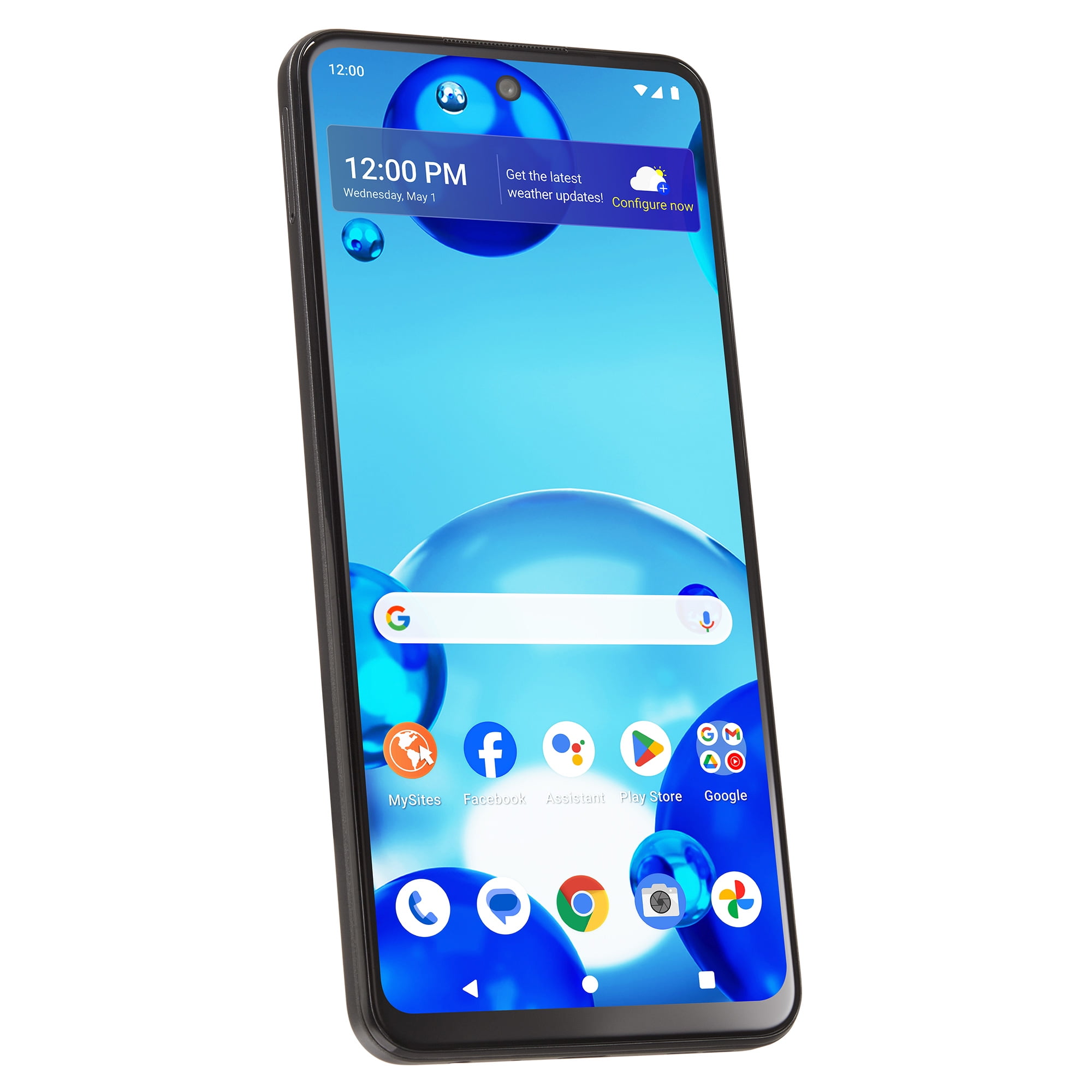
The Rise of Mobile Technology: How Pocket-Sized Devices are Reshaping Our Lives
The rise of mobile technology has transformed the way we interact with the world around us. With pocket-sized devices like smartphones and tablets becoming ubiquitous, people are now able to access information, connect with others, and manage their daily tasks from virtually anywhere. This constant connectivity has led to a significant shift in our lifestyles, as many individuals rely on their devices for everything from communication to entertainment. According to recent studies, over 50% of web traffic now comes from mobile devices, highlighting the impact they have on how we consume information.
Furthermore, the influence of mobile technology extends into various sectors, including education, business, and healthcare. For instance, mobile apps are revolutionizing the way students learn, making educational resources more accessible than ever before. In the business realm, companies are adopting mobile solutions to enhance productivity and streamline operations. In healthcare, telemedicine applications are enabling patients to consult with doctors remotely. Therefore, the rise of mobile technology is not just a trend; it is a crucial element of modern life that is reshaping our interaction with technology and each other.
Counter-Strike is a highly popular first-person shooter game that emphasizes team-based gameplay and strategic planning. Players can take on the role of terrorists or counter-terrorists, engaging in various mission objectives such as bomb defusal and hostage rescue. For players looking to enhance their gaming experience, it's important to have the right gear and accessories. Check out our Top 10 iPhone 17 accessories to see what can improve your setup. The game has evolved through several iterations, including the celebrated CS:GO, which continues to maintain a large competitive scene worldwide.
Navigating the Digital Revolution: Are Smartphones Making Us Smarter or More Distracted?
In the age of the digital revolution, smartphones have become integral to our daily lives, offering unprecedented access to information and connectivity. On one hand, they empower us with tools for learning, creativity, and productivity that can enhance our intelligence and adaptability. For instance, educational apps and online resources facilitate quick knowledge acquisition, enabling individuals to expand their horizons more than ever before. However, this constant connectivity comes at a cost; it raises the question of whether our dependence on these devices is truly making us smarter or simply more distracted.
Research suggests a growing concern over the ability of smartphones to distract users from meaningful interactions and tasks. Notifications and social media platforms can lead to what many describe as a digital distraction, pulling attention away from real-life experiences and diminishing our focus. A study by the Pew Research Center found that 89% of smartphone users reported feeling the urge to check their devices even when they didn’t receive a message. This constant need for engagement can interfere with our cognitive capabilities, suggesting that while smartphones provide valuable resources, they can also hinder our mental clarity and overall productivity.
The Future of Augmented Reality: How Mobile Devices Are Blending Digital and Physical Worlds
As we look ahead, augmented reality (AR) is set to revolutionize how we interact with our surroundings, seamlessly integrating digital elements into our physical environments. With the rapid advancements in mobile technology, devices are becoming more sophisticated, featuring enhanced processing power and improved camera capabilities that facilitate richer AR experiences. For instance, mobile devices are now able to support complex algorithms that map real-world objects and surfaces, allowing users to visualize digital content as if it's part of their immediate space.
The implications of this technology extend beyond entertainment and gaming, reaching into education, healthcare, and retail. Consider how students can utilize AR for immersive learning experiences, or how shoppers can visualize products in their homes before making a purchase. As AR continues to evolve, its integration into the mobile ecosystem will not only enhance user engagement but also redefine the boundaries of our physical and digital worlds. Therefore, staying updated on the future of augmented reality is crucial for individuals and businesses alike.