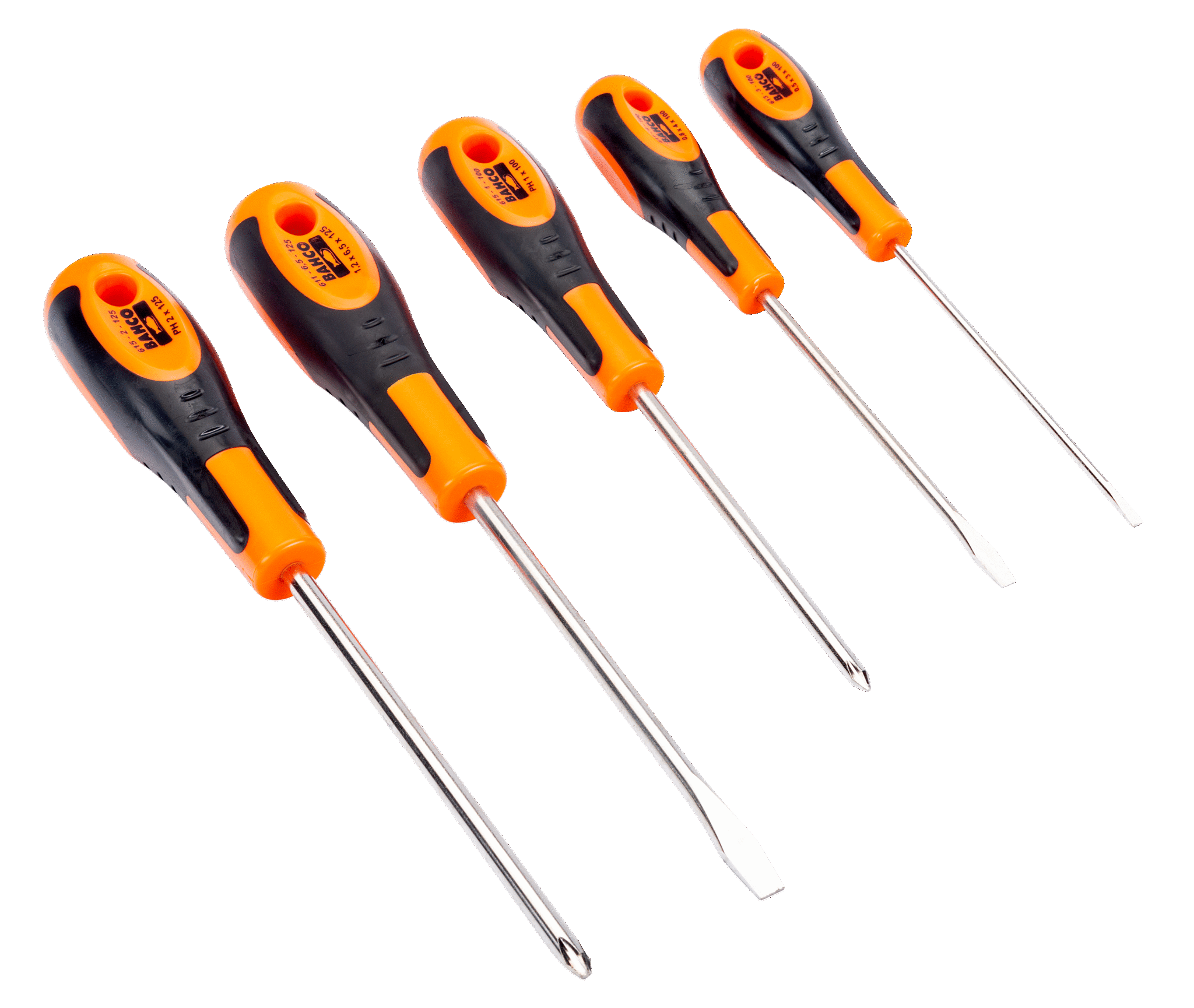
The Ultimate Guide to Choosing the Right Screwdriver Set for Your DIY Projects
When embarking on DIY projects, having the right tools is essential, and a high-quality screwdriver set tops the list. To choose the perfect set for your needs, consider the types of screws you'll encounter most often. Standard flathead and Phillips screws are common, but specialized projects may require more specific types like Torx or hex screws. Make a checklist of your usual DIY tasks and ensure that the screwdriver set you select includes variations that cater to these needs.
In addition to the types of tips, look for handle comfort and durability when picking your screwdriver set. A good grip will ease prolonged use and reduce hand fatigue. Opt for sets made from high-quality materials, which can ensure longevity and resistance to wear. Additionally, many sets come with organized cases, making it easy to find the right tool when you need it. Check for reviews and prioritize quality over price to get the best value for your screwdriver set.
Counter-Strike is a popular multiplayer first-person shooter video game franchise in which teams of terrorists and counter-terrorists compete to complete various objectives. It has gained a massive following due to its competitive gameplay and strategic depth. Players often rely on skill, teamwork, and communication to secure victories in matches. For those interested in DIY projects, check out the Top 10 Rechargeable Electric Screwdrivers to enhance their toolkit.
Top 5 Tips for Maintaining Your Screwdrivers: Ensure Longevity and Performance
Maintaining your screwdrivers is essential for ensuring their longevity and optimal performance. Here are Top 5 Tips for Maintaining Your Screwdrivers that every DIY enthusiast should follow:
- Clean After Use: Always wipe down your screwdrivers after use to remove any dirt, grease, or debris. This practice prevents corrosion and keeps your tools in pristine condition.
- Store Properly: Avoid tossing your screwdrivers into a toolbox haphazardly. Use a designated holder or organizer to prevent blade damage and preserve the shape of the tips.
- Check for Wear: Regularly inspect your screwdrivers for signs of wear, such as dull edges or damaged tips. Sharpening or replacing worn tools is crucial to maintain effectiveness.
Following the previous tips, here are two more to keep your screwdrivers in top shape:
- Use the Right Tool: Always select the screwdriver that matches your screw type and size. Using the wrong tool can lead to stripping screws and damaging the screwdriver.
- Apply Lubrication: For screwdrivers with moving parts, applying a small amount of lubricant can enhance performance and prevent rust. Make sure to use a suitable lubricant that won't damage the tool.
By implementing these tips for maintaining your screwdrivers, you can ensure that your tools remain reliable and effective for years to come.
Common Mistakes DIY Enthusiasts Make with Screwdrivers and How to Avoid Them
When it comes to DIY projects, screwdrivers are often the unsung heroes of the toolkit. However, many DIY enthusiasts make common mistakes that can lead to frustration and poor results. One prevalent error is using the wrong type of screwdriver for the screw at hand. Using a flathead screwdriver on a Phillips screw, for instance, can strip the screw head and make it challenging to remove. To avoid this pitfall, always ensure you're using the right screwdriver by matching the shape of the screwdriver head to that of the screw. Additionally, a quick check of the screwdriver's size can save you from using a tool that is either too large or too small, which can result in damage to both the screw and your workpiece.
Another mistake that many DIY enthusiasts make is applying excessive force when using a screwdriver. Over-tightening screws can lead to stripping, breaking, or even damaging the material you are working with. To prevent this, always start by hand-tightening the screw and only use the screwdriver to snug it down. If you encounter resistance, stop and reassess the situation. If the screw is not turning, check for cross-threading or debris in the hole. Implementing this cautious approach not only preserves the integrity of your screws and materials but also enhances the quality of your DIY projects.