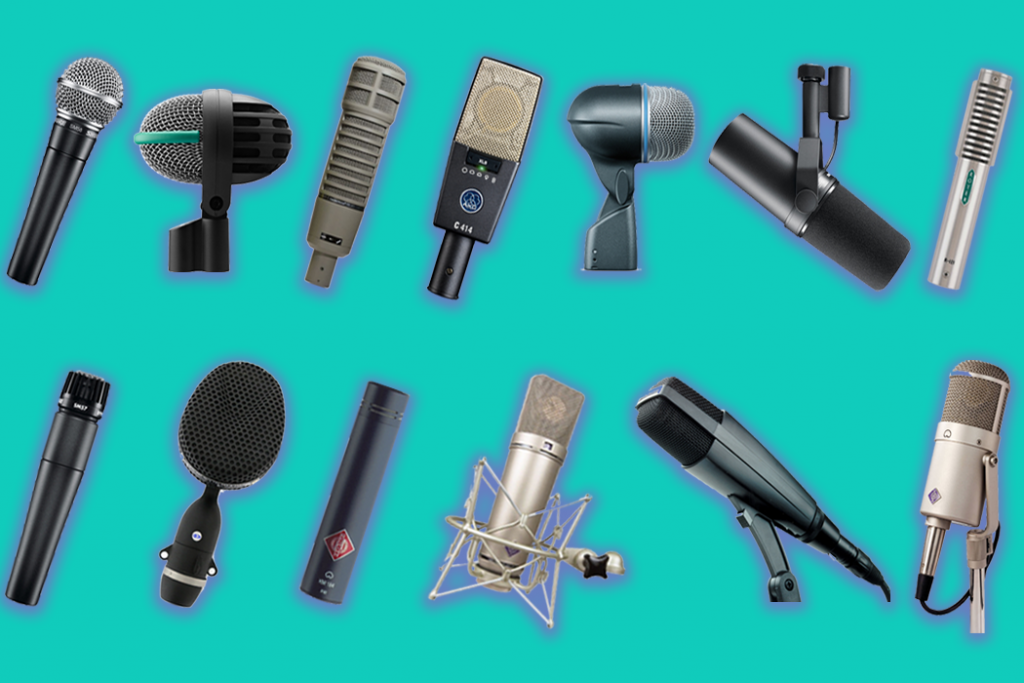
Exploring the Evolution of Microphone Technology: From Vintage to Modern Innovations
Microphone technology has undergone a remarkable transformation since its inception in the late 19th century. The earliest devices, such as the carbon microphone invented by Emile Berliner in 1877, revolutionized sound recording by converting sound waves into electrical signals. These vintage microphones were heavy and prone to interference, yet they paved the way for future innovations. As the 20th century progressed, various designs emerged, including the ribbon microphone and the dynamic microphone, each contributing to the quality and versatility of sound capture. Today, these vintage models are cherished for their unique audio characteristics and are often sought after by audiophiles and musicians alike.
In the 21st century, we have witnessed modern innovations that have reshaped the landscape of audio technology. Digital microphones, utilizing advanced technologies like USB and wireless connectivity, offer unparalleled convenience and quality. Moreover, technologies such as MEMS (Micro-Electro-Mechanical Systems) microphones have become increasingly popular in smartphones and other portable devices due to their compact size and reliability. As we look to the future, we can expect further enhancements in microphone technology, focusing on improved sound fidelity, noise cancellation, and integration with smart devices, making them essential tools for podcasters, musicians, and content creators worldwide.
Counter-Strike is a highly tactical first-person shooter game that has captivated players since its initial release in 1999. Players assume the roles of either terrorists or counter-terrorists in various game modes, often focusing on objective-based gameplay. As the competitive scene continues to evolve, many gamers enhance their streaming setups with the Top 10 Phone Accessories for YouTube to showcase their skills and share their experiences with a wider audience.
How to Choose the Right Microphone for Your Audio Setup
Choosing the right microphone for your audio setup is crucial for achieving high-quality sound. To make an informed decision, start by clarifying your needs. Consider the primary purpose of the microphone: is it for podcasting, music recording, or video production? Each use case may require different microphone types. For instance, dynamic microphones excel in live settings due to their durability and ability to handle high sound pressure levels, while condenser microphones are better suited for studio environments where they can capture nuanced vocals and instruments. Additionally, pay attention to the microphone's polar pattern, as this determines how it captures sound from various directions.
Once you’ve identified the type of microphone you need, it’s essential to consider factors like budget, connectivity, and compatibility with your existing audio equipment. A quality microphone doesn't have to break the bank, as many affordable options deliver excellent performance. Explore XLR and USB microphones: XLR mics typically require an audio interface but offer superior sound quality, while USB mics are user-friendly and perfect for beginners. Always read reviews and, if possible, test microphones before making a final decision. Remember, a great microphone can make all the difference in your audio setup, so take the time to choose wisely!
The Science Behind Sound: How Microphones Capture and Transmit Audio
The science behind sound involves understanding how microphones capture and transmit audio using various physical principles. At their core, microphones convert sound waves into electrical signals. When a person speaks or an instrument plays, sound waves travel through the air and hit the microphone diaphragm. This diaphragm vibrates in response to these sound waves, creating variations in air pressure. These vibrations are then converted into an electrical current through electromagnetic induction or capacitance, depending on the type of microphone. This is why microphones are essential in fields such as music production, broadcasting, and telecommunications.
Once the sound has been captured and transformed into an electrical signal, it can be amplified, recorded, or transmitted via different mediums. Modern microphones have advanced significantly, utilizing digital technology to improve sound quality and reliability. For instance, dynamic and condenser microphones serve different purposes based on their design and functionality. Dynamic microphones are sturdier and ideal for live performances, while condenser microphones are excellent for studio recordings due to their sensitivity. Understanding the science behind sound and microphone technology not only enriches audio experiences but also assists content creators in choosing the right tools for their audio needs.