The Science Behind Nylon: How This Synthetic Fiber Revolutionized Fashion and Functionality
Nylon, an exceptionally versatile synthetic fiber, was first introduced to the world in 1935 by the chemist Wallace Carothers at DuPont. One of the main reasons behind its revolutionary impact on both fashion and functionality lies in its unique structure; nylon is created through the process of polycondensation, which allows it to be both lightweight and incredibly strong. Its resilience and elasticity made it the go-to choice for various applications, ranging from apparel to industrial uses. The early adoption of nylon led to a significant transformation in the fashion industry, especially with the introduction of nylon stockings in the late 1930s, which offered a modern alternative to silk.
This synthetic fiber continued to evolve, gaining popularity in diverse products beyond clothing, such as outdoor gear, parachutes, and upholstery. The combination of durability and a smooth texture made nylon an ideal material for both functional and stylish items. As consumer preferences shifted towards practicality without sacrificing aesthetic appeal, nylon's ability to be dyed in a myriad of colors and its resistance to moisture opened up new design possibilities. Today, nylon remains a staple in many wardrobes and industries, underscoring its lasting influence in the world of textiles.
Counter-Strike is a popular first-person shooter game that emphasizes teamwork, strategy, and skill. Players can choose to be part of a terrorist or counter-terrorist team, engaging in various game modes such as bomb defusal and hostage rescue. It has a vibrant esports scene, with numerous tournaments held worldwide, attracting a dedicated player base. For those looking to stay comfortable while gaming, you might consider checking out the Top 10 Apple Watch Bands for Sweating to find the perfect accessory.
10 Everyday Items You Didn't Know Were Made from Nylon
Nylon is a versatile and durable synthetic polymer that has found its way into countless everyday items. While many are aware of its use in clothing, such as stockings and jackets, there are numerous other items made from this remarkable material that often go unnoticed. For instance, did you know that nylon is a key component in the production of utensils? Many kitchen tools, such as spatulas and spoons, are crafted from nylon because of its heat resistance and non-stick properties. Additionally, nylon is commonly used in the manufacturing of backpacks and sports gear, providing strength and flexibility to withstand daily wear and tear.
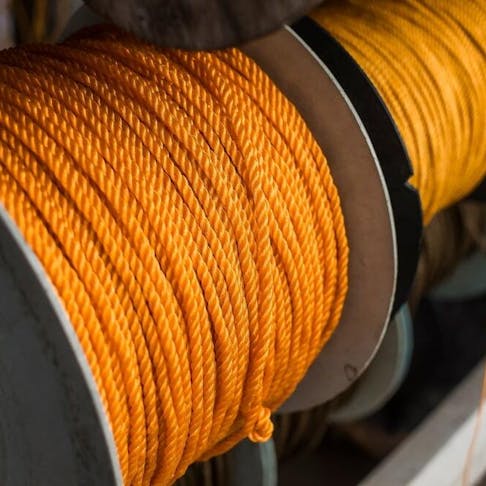
Beyond kitchenware and outdoor accessories, nylon also plays a significant role in household items you might use every day. Consider toothbrushes and dental floss; they often include nylon bristles that ensure effective cleaning without damaging teeth or gums. Furthermore, many types of fishing lines and ropes are made from nylon, providing excellent tensile strength and resistance to abrasion. This highlights just how integral nylon is to our daily lives, often lurking in plain sight, seamlessly blending into the fabric of our routines.
Nylon vs. Other Fabrics: Why It's the Unsung Hero for Durability and Versatility
When it comes to choosing fabrics for clothing, accessories, or upholstery, durability and versatility are paramount. Nylon stands out as a remarkable choice among the vast array of materials available. Unlike natural fibers like cotton or wool, which can suffer from wear and tear over time, nylon's synthetic properties provide enhanced resistance to abrasion and stretching. In fact, many outdoor enthusiasts and fashion designers alike prefer nylon for its ability to withstand harsh weather conditions while remaining lightweight. This undeniable strength sets nylon apart, as it can maintain its integrity in a variety of settings, from rugged hiking trails to urban environments.
Moreover, the versatility of nylon goes beyond just durability. It can easily be blended with other fabrics, resulting in textiles that capitalize on the benefits of both materials. For example, the combination of nylon with spandex creates flexible activewear that not only retains shape but also provides ultimate comfort during intense workouts. Additionally, nylon is resistant to mildew and mold, making it a popular choice for outdoor gear. As consumers increasingly prioritize functionality in their wardrobe, nylon emerges as the unsung hero that meets both aesthetic appeal and practical needs, solidifying its place as a go-to fabric for a myriad of applications.