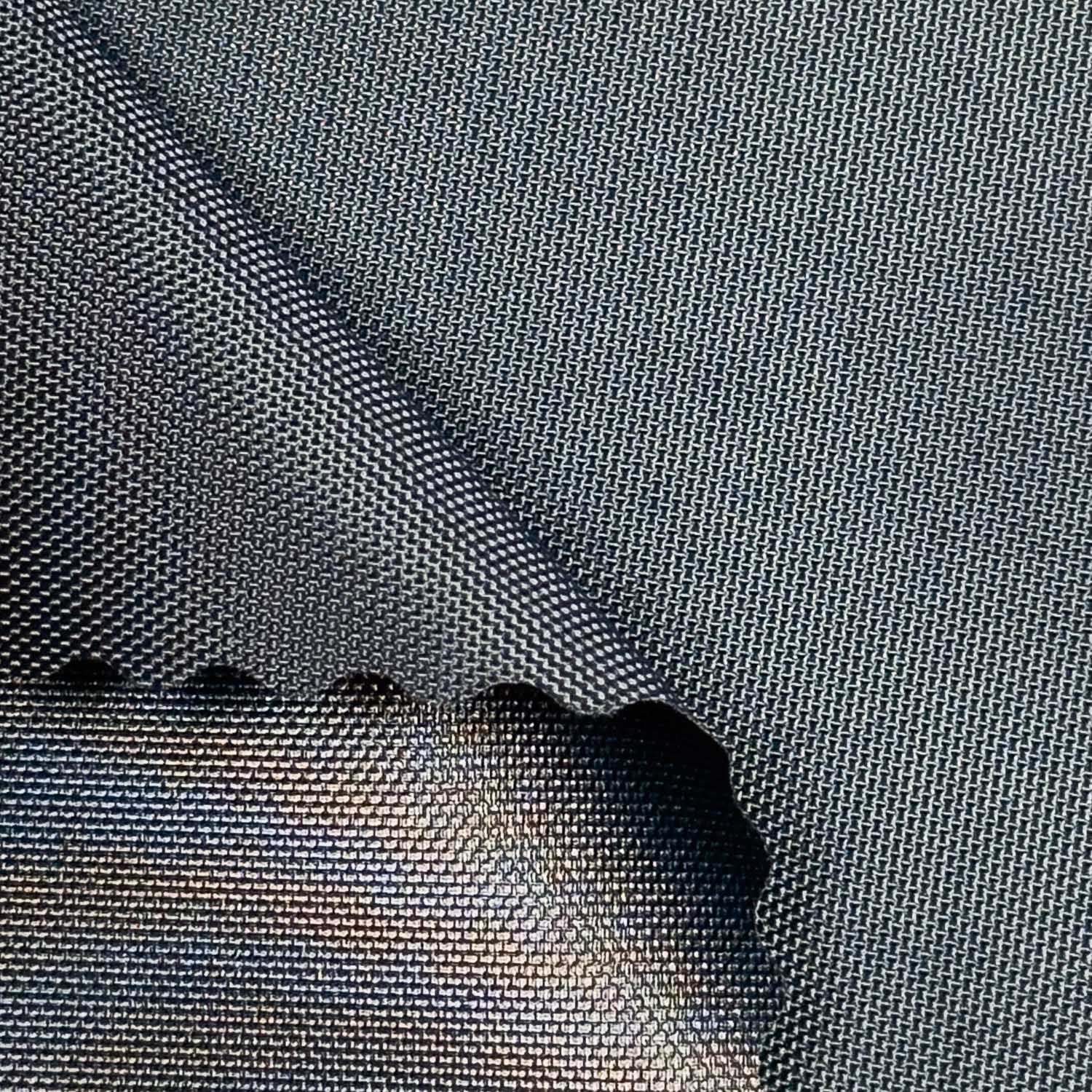
10 Everyday Items Made Better by Nylon
Nylon is a versatile synthetic material that has transformed numerous everyday items, enhancing their durability and functionality. From clothing to household items, nylon has made its mark by providing remarkable strength and resistance to wear and tear. For instance, nylon stockings and activewear have become staples in many wardrobes due to their lightweight nature and flexibility. Additionally, nylon backpacks are favored by students and professionals alike for their ability to withstand heavy use while offering practical design features like water resistance and numerous pockets.
Beyond clothing, nylon is also a game changer in the realm of kitchen tools and houseware. Items such as nylon cooking utensils are designed to withstand high temperatures without melting, ensuring safety and longevity in meal preparation. Furthermore, nylon ropes and cables have become essential in various outdoor activities such as camping and boating due to their exceptional strength and resistance to environmental factors. With nylon integrated into these everyday items, our lives are not only made easier but also significantly more efficient.
Counter-Strike: A Popular Tactical Shooter
Counter-Strike is a highly popular tactical first-person shooter game that has captivated millions of players worldwide. Its realistic gameplay and strategic depth make it a favorite in the esports community. Players team up to complete objectives, whether it's defusing bombs or rescuing hostages, showcasing teamwork and skill.
For those looking to enhance their gaming experience, check out the Top 10 Lightweight Apple Watch Bands that offer style and convenience for avid gamers who also enjoy fitness tracking.
Since its original release, Counter-Strike has evolved with multiple versions, including the well-known Counter-Strike: Global Offensive, which continues to attract a dedicated player base and hosts international tournaments.
The Science Behind Nylon: Why It's the Ultimate Everyday Material
Nylon, a synthetic polymer first introduced in the 1930s, has revolutionized the textiles and materials industry. Its durability, elasticity, and resistance to wear and tear make it an ideal choice for a variety of everyday applications. Unlike natural fibers, nylon is resistant to moisture and mildew, which enhances its longevity and usability in diverse environments. Whether it's in clothing, accessories, or household products, the versatility of nylon can be seen in its ability to retain shape and strength, even after multiple washes, making it a reliable staple in modern manufacturing.
Furthermore, the production of nylon involves a fascinating chemical process that contributes to its incredible properties. Created through a process known as polycondensation, nylon fibers are formed from the reaction between hexamethylenediamine and adipic acid. This not only results in a lightweight material but also a strong one that is less prone to stretching and sagging compared to other fabrics. From stockings to parachutes, the unique molecular structure of nylon allows it to absorb dye easily, leading to vibrant colors that last. This combination of strength, flexibility, and aesthetic appeal solidifies nylon's status as the ultimate everyday material.
Can Nylon Really Replace Plastic? Exploring Eco-Friendly Alternatives
The debate over whether Nylon can truly replace traditional plastic is gaining traction as environmental concerns become increasingly pressing. Nylon, primarily derived from petroleum, offers a more durable and versatile alternative to plastic. While both materials share similar origins, the potential of Nylon lies in its recyclability and biodegradability, particularly when compared to conventional plastics that can take hundreds of years to decompose. According to recent studies, advancements in Nylon production techniques are paving the way for eco-friendly versions that can reduce the overall plastic footprint in various industries.
Moreover, Nylon can be used in a myriad of applications, from clothing to packaging, making it a suitable contender in the push for sustainable materials. However, its environmental impact is still under scrutiny, as the energy-intensive manufacturing process can offset some of its benefits. To make informed choices, consumers should consider not just the material, but also the entire lifecycle of the product. As more companies commit to innovation in sustainable materials, Nylon could emerge as a viable replacement for plastic, especially in designs that emphasize circular economy principles and minimize waste.