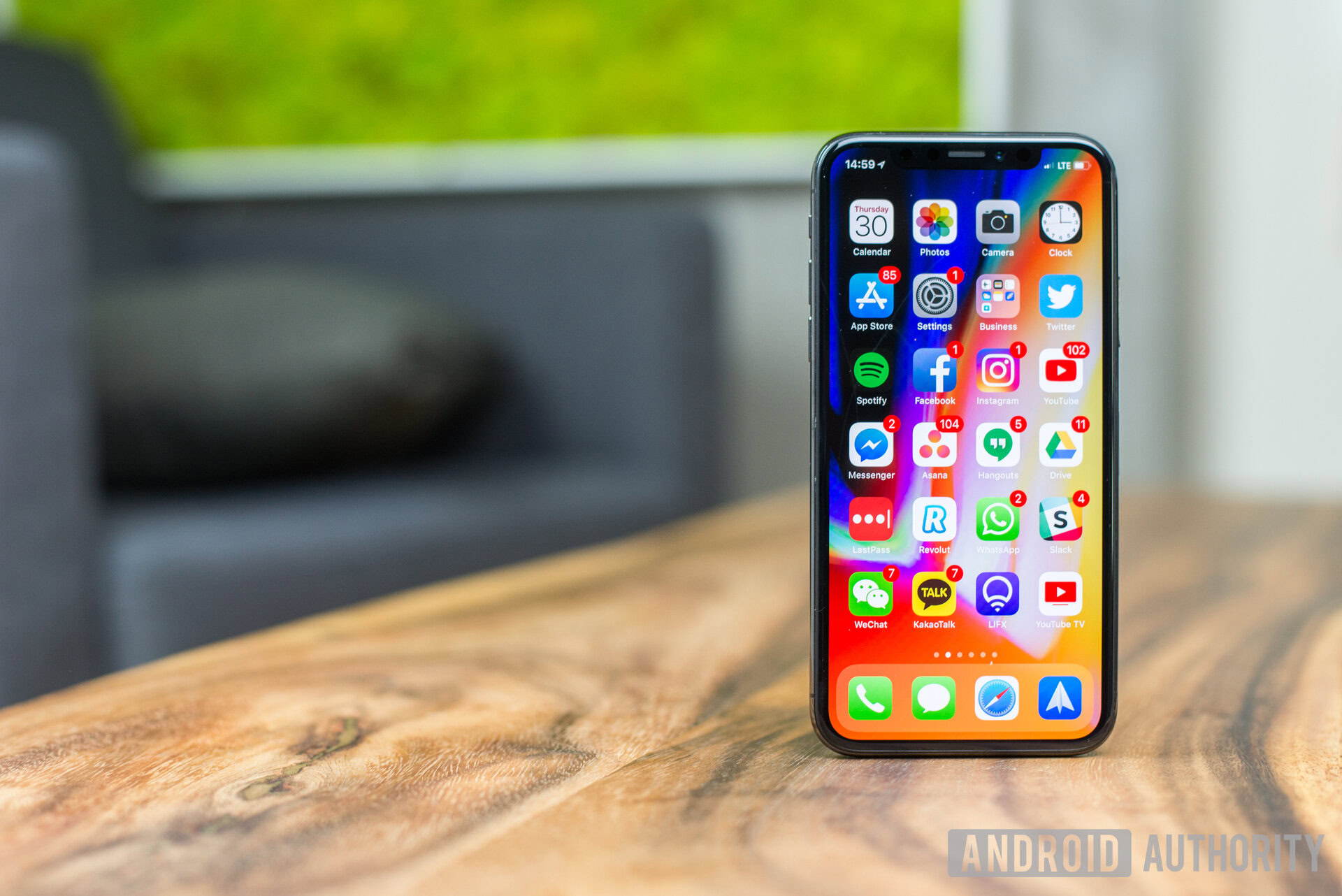
The Evolution of Smartphones: From Simple Communication Tools to Powerful Mini Supercomputers
The evolution of smartphones has been nothing short of revolutionary. In the early days, mobile phones primarily served as simple communication tools, allowing users to make calls and send text messages. Features were limited: monochrome screens, physical keypads, and basic functionalities defined the user experience. As technology advanced, the introduction of the smartphone in the late 2000s marked a turning point. With the launch of devices like the iPhone, the smartphone transitioned into a multi-functional device, offering internet connectivity, application ecosystems, and touchscreen interfaces.
As we moved into the 2010s and beyond, smartphones continue to evolve, becoming powerful mini supercomputers that fit right in our pockets. Today’s devices boast advanced operating systems, high-performance processors, and camera capabilities that rival professional equipment. Features such as artificial intelligence, augmented reality, and mobile payment systems have become standard, profoundly changing how we interact with technology. In essence, the smartphone has morphed into an essential tool that enhances our daily lives, making it difficult to imagine a world without these powerful devices.
Counter-Strike is a highly popular tactical first-person shooter game known for its team-based gameplay and competitive environment. Players can choose to play as either terrorists or counter-terrorists, completing various mission objectives. For those looking for the best gear to enhance their gaming experience, check out the Top 10 iPhone 17 Belt Clip Holsters for convenient mobile accessibility while gaming.
10 Ways Smartphones Have Revolutionized Our Daily Lives
The advent of smartphones has undeniably transformed the way we navigate our daily lives. One of the most significant changes is in communication. With a smartphone in hand, staying in touch with friends, family, and colleagues is smoother than ever. No longer bound by the limitations of landlines, we can send instant messages, make video calls, or share updates on social media platforms. According to a recent survey, over 80% of people report feeling more connected thanks to their smartphones.
In addition to enhancing communication, smartphones have revolutionized how we access information. The internet is just a tap away, giving us immediate access to a wealth of resources and knowledge. Whether we're searching for the latest news, navigating through unfamiliar areas, or even troubleshooting daily problems, our smartphones serve as portable libraries. They have equipped us with tools to learn, explore, and make informed decisions at a moment's notice, highlighting the impact of this technology on our everyday existence.
Are Smartphones Making Us Smarter or More Distracted?
The debate around whether smartphones are making us smarter or simply more distracted is ongoing. On one hand, smartphones provide us with immediate access to a wealth of information, enabling us to learn new skills, track our health, and stay organized. With educational apps and platforms, users can engage in interactive learning that was previously unimaginable. For example, language learning apps like Duolingo and productivity tools such as Trello help individuals enhance their cognitive abilities, emphasizing that smartphones can indeed serve as powerful tools for personal and professional development.
However, the constant notifications and the allure of social media can quickly lead to distracted behaviors, affecting our ability to concentrate and retain information. Studies show that excessive smartphone usage can decrease productivity and impair attention span. Multitasking between different apps and notifications often leaves little room for deep, focused work. In essence, while smartphones have the potential to make us smarter, they can just as easily divert our attention and hinder intellectual growth. Striking a balance in our smartphone usage is key to maximizing its benefits while minimizing distractions.